Jaybird and Oak Consulting
Aging & Environmental Design
The spaces we live in shape how we function, feel, and connect.
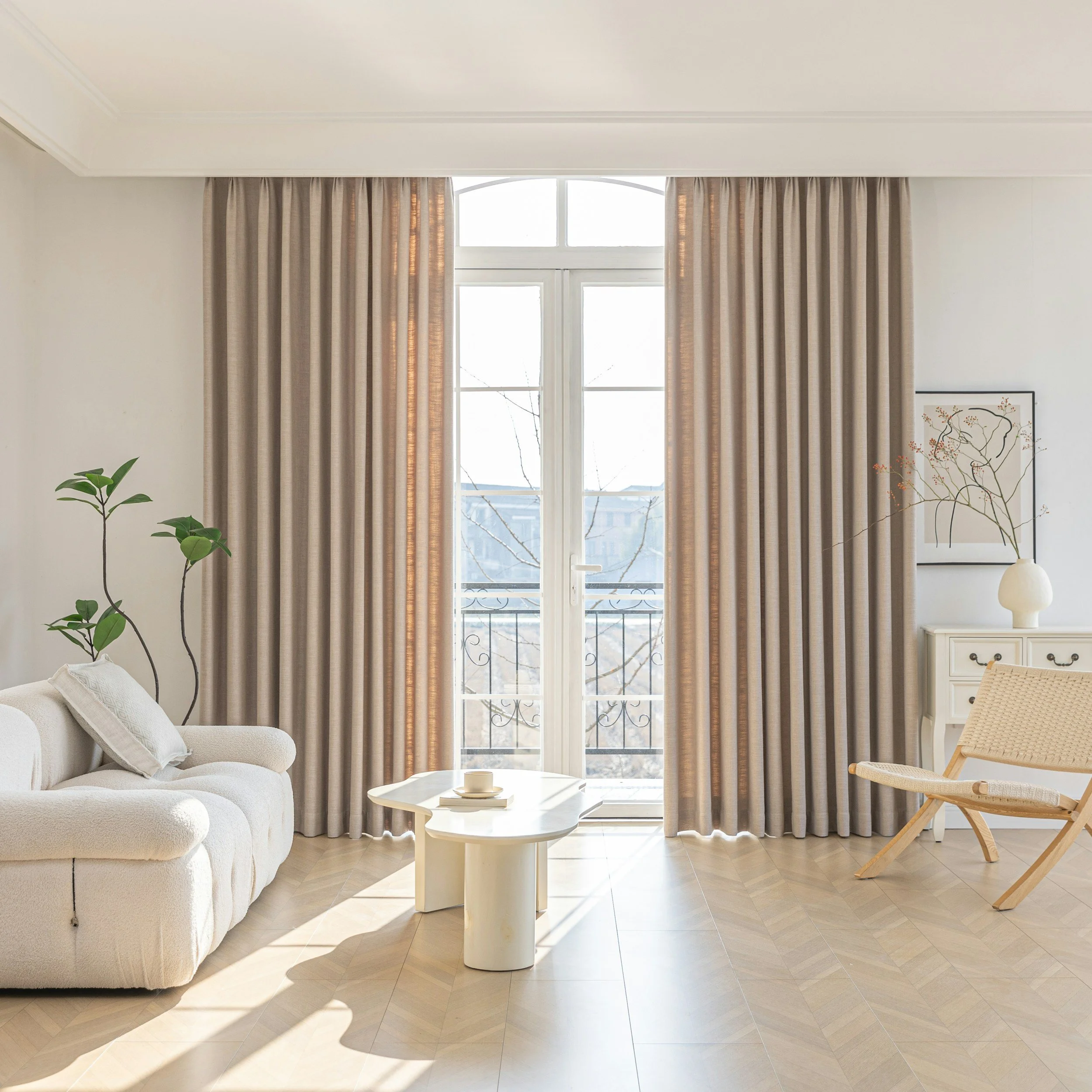
Make your environment work for YOU.
Planning for the future?
Living with physical or cognitive disabilities now?
Thoughtful environmental design can be the difference between daily frustration and meaningful independence.
At Jaybird and Oak Consulting, we consult with families, organizations, and care settings to design environments that support safety, autonomy, dignity, and quality of life— across the lifespan, and especially in later life.
Why Environment Matters
Sometimes life brings transitions, and the environment can help us strengthen and solidify the bridges that carry us there.
Disability is not experienced in isolation—it emerges at the intersection of a person’s abilities and their surroundings. Poorly designed environments can unintentionally increase confusion, falls, agitation, dependence, or social withdrawal. In contrast, well-designed spaces can:
Support mobility and physical functioning
Reduce cognitive overload and anxiety
Enhance orientation and memory
Improve wayfinding and spatial navigation
Promote independence and confidence
Foster calm, connection, and engagement
Environmental design is not just about accessibility—it’s about psychological fit.

A Geropsychology-Informed Approach to Environmental Design
Our work integrates psychology, aging science, and disability-affirming principles to help translate evidence into real-world spaces. I consider how people think, move, perceive, and emotionally experience their environments—particularly when living with conditions such as:
Dementia and mild cognitive impairment
Parkinson’s disease and other neurodegenerative conditions
Stroke, brain injury, or neurological illness
Sensory changes (vision, hearing, balance)
Mobility limitations or chronic illness
Design recommendations are always individualized, practical, and grounded in how people actually live.
What This Is—and What It’s Not
This is not interior design or architectural drafting.
It is psychological consultation that helps ensure spaces align with human cognition, behavior, and emotional well-being—often in collaboration with designers, architects, healthcare teams, or administrators.

We provide consultative guidance for:
Families & Care Partners
Home layout and room-by-room recommendations
Strategies to reduce confusion, falls, and stress
Support for aging in place or care transitions
Balancing safety with autonomy and identity
Organizations & Systems
Assisted living, memory care, and long-term care environments
Community spaces, workplaces, and service settings
Programmatic design that supports cognition, inclusion, and participation
Staff-informed environmental strategies that reduce burnout and behavioral distress
Designers, Architects, & Contractors
Working on small or large projects to help people age better in place? Partnering with people who have physical, emotional, or cognitive disabilities? Consult with us for evidence-based environmental design recommendations.
Together we can design a space that helps you thrive
The environment does not just accommodate disability, it actively promotes independence, personhood, meaning, functioning, and quality of life.
The space is not just beautiful - but supports the brain, body, and emotional wellbeing.
What matters to you is what matters to us - and we can help build a space that helps you feel and function your best
We incorporate small environmental changes to reduce confusion, falls, and caregiver stress.
There truly is no place like home sweet home.
Imagine a space where…
Our Process
-

Plan with Purpose
Together, we outline a path forward that’s realistic, strategic, and tailored to your specific needs.
-

Collaborate Openly
You’re part of the process. We keep communication open and decisions shared—no black boxes or surprises.
-

Adapt as Needed
Every project is different. We stay flexible and responsive to make sure the process fits your flow—not the other way around.
-

Deliver with Confidence
When we deliver, it’s not just a finished product—it’s a solution you can trust, backed by real care and effort.
WHAT SETS US APART
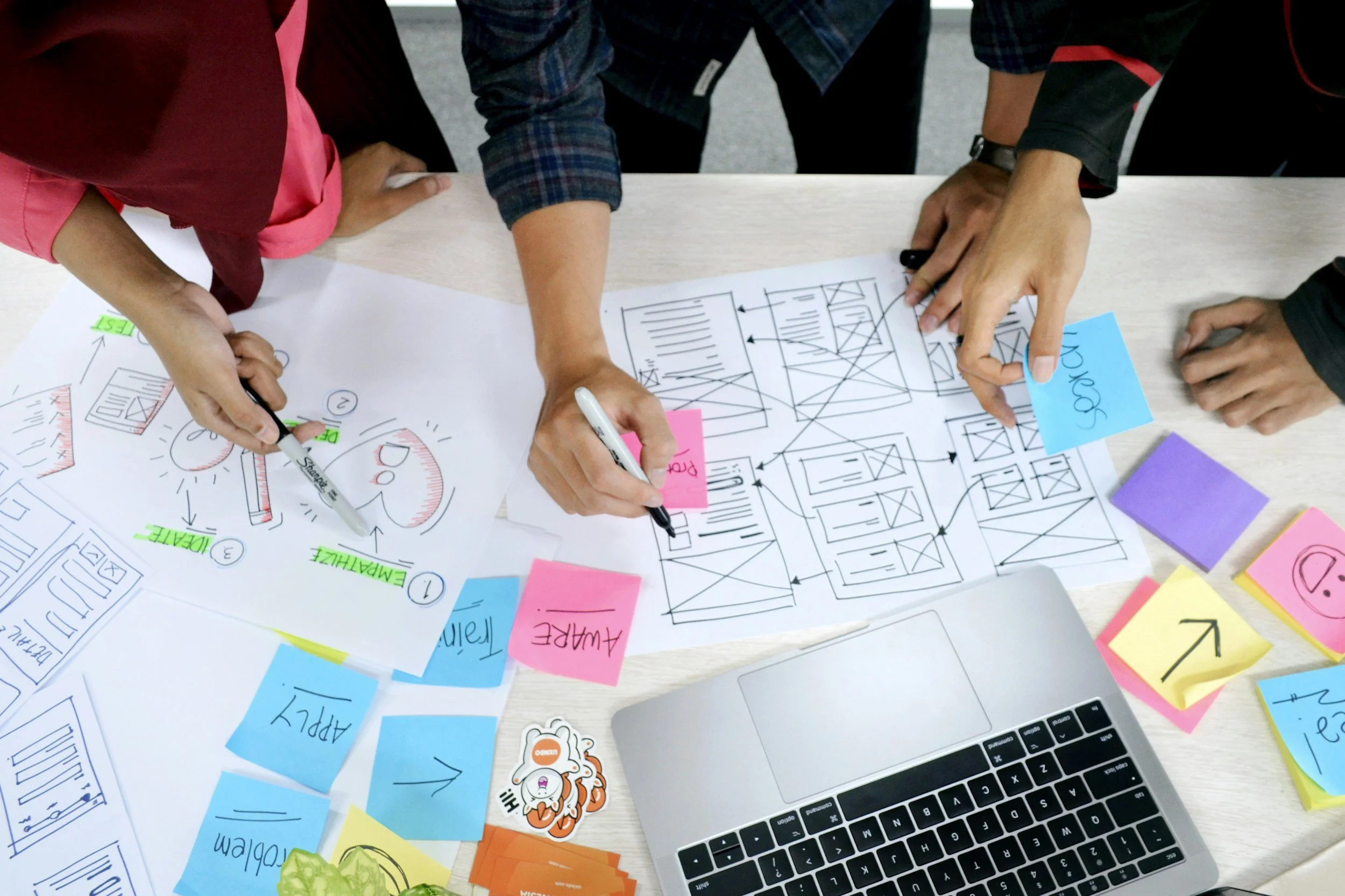
How is Geropsychology-Informed Design Different?
Traditional interior design often focuses on aesthetics, trends, and functionality. Geropsychology-informed design goes deeper—considering how a space affects the aging brain, body, emotions, relationships, and sense of identity.
At Jaybird & Oak, we approach environmental design through a psychological lens. This means understanding how aging, illness, disability, or cognitive change can shape how a person experiences their surroundings—and designing spaces that actively support well-being, dignity, and autonomy.
Rather than asking only “What looks good?” we ask:
What feels grounding and familiar?
What reduces confusion, stress, or fatigue?
How can the environment offer helpful cues given the changes happening in the brain and body?
What supports independence, safety, and confidence?
What honors this person’s routines, values, and life story?
Geropsychology-informed design recognizes that environments can either support or strain emotional and cognitive health. Thoughtful choices around lighting, layout, color, noise, signage, and sensory input can make daily life feel calmer, safer, and more manageable—especially for older adults and those living with physical or cognitive changes.
This approach is not about making spaces look “clinical” or “institutional.” Instead, it is about blending evidence, empathy, and lived experience to create environments that being peace —while quietly supporting the realities of aging.
In short, geropsychology design bridges how a space looks with how it is experienced, ensuring the environment cares for the person living within it. Thoughtful spaces can reduce stress, support independence, and improve quality of life as we age.
LET’S GET STARTED
We will help you envision a space that helps you thrive.
Good design isn’t just about beauty—it’s about how a space supports the brain, body, and emotions.
The spaces we are in shape how we function, feel, and connect.
Let’s build something meaningful together.

strong roots, aligned paths, open skies
—
strong roots, aligned paths, open skies —
Specializing in…
01
02
03
04